
The Future of Education: Self-Learning vs Traditional Classrooms
Education is evolving rapidly, influenced by technological advances and changing learner needs. Today, students have the option to choose between self-learning and traditional classrooms. Both methods offer unique benefits and challenges, and understanding their differences can help learners and parents make informed decisions. This article provides a professional comparison of self-learning vs traditional education, with practical examples, solutions, and insights into the future of education.
Understanding Self-Learning
Self-learning, also known as independent or self-directed learning, allows individuals to acquire knowledge at their own pace. It often involves online courses, video tutorials, podcasts, e-books, and interactive platforms. Self-learning emphasizes autonomy, critical thinking, and practical application of skills.
Example: A student interested in coding might use platforms like Codecademy or freeCodeCamp to learn Python or JavaScript at home, practicing through projects and online challenges rather than attending a formal computer science class.
Benefits of Self-Learning
- Flexibility and Convenience – Learners can study at any time and from any location. This is particularly beneficial for working students or those with busy schedules.
- Personalized Pace – Students can focus more on challenging topics and skip areas they already understand.
- Cost-Effective – Many online resources and courses are free or inexpensive compared to traditional schooling.
- Skill-Based Learning – Self-learning allows students to focus on practical skills needed for careers or personal development.
Challenges of Self-Learning
- Lack of Structure – Without a fixed schedule, students may struggle to stay disciplined.
- Limited Social Interaction – Independent learners may miss opportunities for collaboration and peer feedback.
- Self-Motivation Required – Success depends heavily on personal motivation and goal setting.
Traditional Classrooms Explained
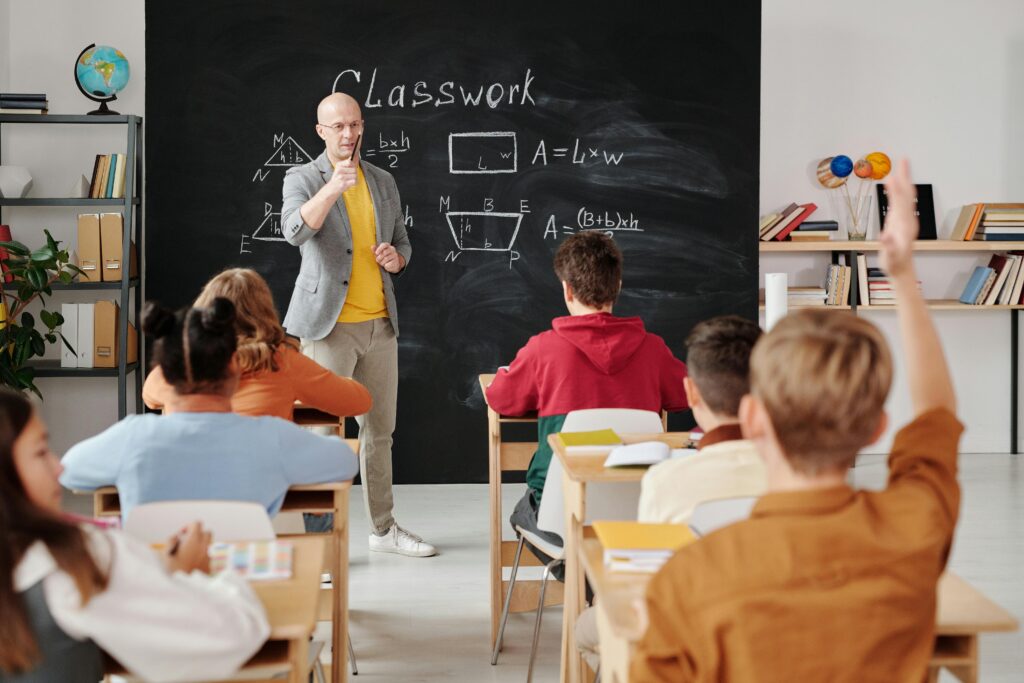
Traditional education refers to structured learning environments where teachers lead lessons in a classroom setting. It typically follows a fixed curriculum with exams, homework, and formal assessment.
Example: In a high school biology class, students follow a teacher-led curriculum, participate in group activities, and take exams at the end of each term. This structured environment ensures consistent learning and coverage of essential topics.
Advantages of Traditional Education
- Structured Curriculum – Students follow a clear roadmap, which ensures comprehensive learning.
- Face-to-Face Interaction – Students benefit from direct guidance from teachers and collaboration with peers.
- Immediate Feedback – Teachers provide timely corrections, helping students improve quickly.
- Discipline and Routine – A scheduled environment promotes regular study habits and accountability.
Challenges of Traditional Education
- Limited Flexibility – Students must follow fixed schedules and may have less control over pacing.
- One-Size-Fits-All Approach – Lessons are designed for groups, which may not suit individual learning needs.
- Higher Costs – Tuition, textbooks, and transportation can make traditional education expensive.
Comparing Self-Learning vs Traditional Education
| Feature | Self-Learning | Traditional Education |
|---|---|---|
| Flexibility | High – study anytime, anywhere | Low – fixed schedules and locations |
| Cost | Often free or low cost | Usually higher due to tuition and materials |
| Pace | Self-determined | Teacher-determined |
| Social Interaction | Limited – mostly online forums or groups | High – classmates and teachers |
| Practical Skills | Focused on real-world skills | Curriculum may be more theoretical |
| Assessment | Self-assessment or online quizzes | Regular tests and formal exams |
Modern Education: Hybrid Approaches
Many educational institutions are combining self-learning and traditional classroom methods. Online courses supplement classroom lessons, allowing students to benefit from both approaches. For example, universities may use online modules for coding, math practice, or language learning, while still conducting in-person labs, discussions, and assessments.
Hybrid learning addresses the limitations of each approach, providing flexibility, personalized learning, and social interaction. This combination is shaping the future of education, making it adaptable, skill-focused, and accessible.
Frequently Asked Questions
Q1: Can self-learning replace traditional education entirely?
A: While self-learning can provide specialized skills and flexible study options, traditional classrooms offer structure, social interaction, and formal accreditation. The most effective approach depends on individual goals and learning style. Many learners benefit from combining both methods.
Q2: How can students stay motivated in self-learning?
A: Setting clear goals, creating a study schedule, tracking progress, and joining online learning communities can enhance motivation. Regularly applying learned skills in practical projects also reinforces engagement.
Q3: Which approach is better for career advancement?
A: Both methods are valuable. Self-learning can quickly build in-demand technical skills, while traditional education provides recognized degrees and credentials. Combining certifications from online courses with a formal degree can create a competitive advantage in the job market.
Tips for Maximizing Learning in Both Approaches
- Set Goals: Define clear objectives whether studying independently or in a classroom.
- Create a Study Schedule: Allocate time for daily learning and practical application.
- Engage Actively: Take notes, participate in discussions, and practice skills regularly.
- Seek Feedback: Use teachers, mentors, or online forums to improve understanding.
- Balance Study and Rest: Avoid burnout by including breaks and leisure activities.
Final Thoughts
The debate of self-learning vs traditional education is not about choosing one over the other; it’s about finding the right balance for individual needs. Self-education offers flexibility, personalization, and skill-focused learning, while traditional classrooms provide structure, social interaction, and formal recognition.
In the future of education, hybrid approaches combining online learning and classroom experiences will likely become the standard. Students who adapt to both methods, remain self-motivated, and apply skills in real-world situations will be best positioned for success.
Ultimately, education is no longer confined to a single method or location. By understanding the advantages and limitations of self-learning and traditional classrooms, students can design their own effective learning journey, stay competitive, and achieve their personal and professional goals.